NYX Ditech

Categories
Design UI Design UX Design

Modern Vintage Graphic Designs Are Back In Trend!

Whenever we talk about material goods, “vintage” refers to any contemporary designs that is more than 20 years old but less than 100 years – to be considered antique. The term can be used more freely in design, although it still refers to an earlier style created during previous times. Now and again, we see a revival of classic designs in a variety of sectors. The majority of them evoke memories of decades – or perhaps centuries ago.

When appropriately used, vintage elements and marketing strategies attract high-value consumers. It compels people to participate in your old storyline and maintains their loyalty. What is it about them that make them so enticing to the audience? What makes them popular? Let us investigate!

How Is Vintage Designs Defined?

By definition, the term “vintage” refers to a period when anything of value was created or to a high-quality product, idea, or philosophy developed in the past. At the moment, the term “vintage” refers to anything that evokes memories of a bygone era or fashion style. Vintage designs use features, colors, and items that reflect popular styles of a particular age.

Distinguishing Retro From Vintage Designs

Many individuals do not take some time to grasp the distinctions between these phrases properly, and as a result, the terms are commonly misinterpreted. Retro is a term that refers to something relatively modern (a commodity, a style) that emulates something from the past. Retro is not original but is influenced by the original to seem authentic. Vintage denotes something unique, original, and has a lifespan of between 20 and 100 years. It is scarcer and hence more valuable than its retro cousin.

What Are Modern Vintage Designs?

Modern Vintage Designs incorporate aspects from the past and present, as well as a touch of futurism. This technique may help modern audiences connect with antique designs or perhaps serve as a center point for older and younger generations.

Modern Vintage Graphic Designs enable us to create and make use of the best of all worlds. We can approach current and antique eras from a variety of angles. This creates limitless opportunities for creativity to develop. For instance, we may reproduce old images from the 1980s or 1990s in contemporary surroundings and give Gen Z the same vibe.

Why is Vintage Design Becoming So Popular?

Individual Appearance – There are several explanations behind vintage popularity. One of them is that customers think conventional fashion has lost its individuality and supermarket fashion has become too generic. Vintage has an inherent quality that elevates it above things picked for their fitting, authenticity, and design value.

Trends That Never Fade – Consumers recognize that antique clothing may be adapted to current trends while still serving as timeless classics that can become wardrobe mainstays. It’s one of the primary reasons vintage has gained popularity.

Personality and Expression – Being unique is a critical component of looking trendy. It reveals a great deal about your character and lifestyle. Vintage clothes enable individuals to express themselves while also aiming to create a fashion contradiction.

Soul and History – Vintage clothing encompasses much more than simply worn-out garments. They are historically and artistically significant, and they are brimming with the tales and experiences of those who came before us and wore them. Possessing and wearing antique clothes help preserve those individuals, their heritage, and their talent alive.

Conclusion

Vintage clothing never fades away. Retro styles are constantly resurfacing. Whether your firm is in fashion, information technology, travel, education, or another area, you will occasionally need to adapt to modern vintage graphics. Contact Us today to know more.

Categories
Blog Design Technology UI Design Web Design

Hiring A Web Designer? Look Out For These Essential Skills

Being a Web Designer in today’s world is both fascinating and challenging. The world of web designing is growing every day; there’s plenty of scope for a Web Designer to learn and grow. The learning process should not stop at any point in time, and a Web Designer must pick up new skills while fine-tuning the basic skills. So, what are these essential skills that are required to become a Good Web Designer? Here’s a list of some essential skills that you must consider while hiring a web designer.

Technical Skills

The most important skills to possess are technical skills. Stronger the technical skillset, better the web designing output.

Visual Design Principles

One of the key skills for a web designer, that will help them do well is their visual designing skills. It might seem pretty obvious and straightforward that you need advanced design knowledge to be a successful web designer, but visual design targets digital products, so that’s a tad different. 

Visual design principles determine the look and feel of a website. Setting up visual design principles involves creating mood boards and type hierarchy, by playing around with web fonts and color palettes. Visual design principles have more to do with the kinesthetic elements; that said, it’s very closely linked to user experience.

Color Theory

As a web designer, it’s essential to be familiar with the color wheel. Basic understanding of how complementary, contrasting, and analogous colors work together, is a must. Knowledge of combining primary colors to create new colors will help you create a pleasing, appealing color palette.

One of the most common mistakes committed by web designers is the use of clashing colors. A little bit of visual disparity can lead to an exciting design. Still, conflicting hues can also lead to an ugly and unreadable layout. Everything including text, calls to action, and headers should use colors that go with the overall theme and has a strong sense of legibility. A web designer needs to know when to use lights and darks, how to use contrast and saturation so that they excel in their work.

UX

UX refers to User Experience; it is the experience that a person has when they interact with your website. It is how people feel when they use a website. A web designer must have UX knowledge to approach web design from a user-first perspective. The objective is to design a website that helps users to get what they need.

A lot of factors can be improved – the content, the navigation, the colors, the CTAs, and more. The better the web designer is at UX, the more useful the website gets designed.

UI

Very closely connected to UX is the user interface (UI); it is the series of screens, pages, and visual elements like buttons and icons, that enable a person to interact with a product or service. These elements guide and navigate the user through the design, overcoming any obstructions, offering a smooth experience. UX is more about the broad aspects of how design affects someone, while UI focuses on specificity. UI elements include navigational elements, intuitive interfaces, and calls to action that guide people to do what you want them to do in the shortest amount of time.

Graphic Designing

Website and graphic design are very similar in terms of creativity. Both are artistically crafting visual elements. However, web designing is a medium where ongoing changes and updates are a part of any project. On the other hand, graphic designing is about creating visuals with lastingness. Designing website elements fall under web designing while designing a logo falls under graphic design. Both are different design disciplines but are a part of branding. 

Graphic design skills will enhance the skill set of web designers. If they can hand-draw typography, custom illustrations, and other creatives, it will undoubtedly improve their web designing work.

Non-technical Skills

Apart from the technical skills, there are some other skills that elevate a web designer’s performance.

Communication

A web designer must have the capability to get their point across to the various stakeholders effectively. They’ll have to interact with product managers, marketing teams, clients, and even pitch ideas to potential clients. Therefore, good communication skills are a must for any Web Designer. Moreover, explaining your vision for a project in a way that non-designers or people with minimum technical knowledge understand is essential.

The role of a Web Designer has evolved over the last few years. Today, they do a lot more than just designing. They contribute to copywriting, editing for sites, developing presentations and more. Good communication skills will always be handy for them.

Time-management

Whether you work for a design agency or work on your own, managing various design projects require effective time management skills. A Web Designer needs to stay on top of their schedule to make their project stand out. They should be aware of various productivity apps like task lists or calendars, or project tracking tools like Trello or JIRA, to better manage a project. The world of web designing is hustling; mastering the art of prioritizing and tracking your work will be crucial to a Web Designer’s success. 

A Web Designer has to respect deadlines and provide regular progress reports to all the stakeholders. Their time-management and self-discipline skills often define their reputation as a true professional.

Proactivity and Creativity

Creativity is ‘The Game’. If a Web Designer doesn’t have a creative mind and can’t come up with new ideas to design, all the technical knowledge goes down the drain. Proactive and creative Web Designers take ownership of their projects and share responsibilities with the Project Manager. As a professional web designer, you should understand the project’s scope, purpose, and standards, acknowledge your client’s expectations, and continuously come up with constructive, out-of-the-box ideas.

Here are some tips to become a successful web designer

Like many modern-day job roles, a web designer’s role also demands a wide array of skills. Personal skills, along with sound technical knowledge, not only helps a Web designer to grow personally, but it also benefits the company. The next time you hire a Web designer, look for these skills. If you require our web designing services, talk to our team now!

Categories
Design Technology Web Design

5 Best Practices To Design Single-Page Websites

Single-page websites were once not a real favorite of web designers. However, things have changed over the past decade, and single-page sites have gained popularity owing to its ease of creation, simplicity and potential to deliver a rich user experience. That said, which one is better – multi-page or single-page website, is a never-ending debate. A single-page website is faster and easier to develop, but it still requires a lot of creative thinking and thorough planning.

Single-page website

No prizes for guessing, a single-page website is a website that contains a single HTML page. The entire content of the site is placed on one page. When users click on a navigation link, they are directed to an HTML anchor on the very page.

Single-page websites are responsive and provide better mobile UX. It offers a lot of freedom to web designers in terms of layouts and visual effects. They do have a few drawbacks as well, like it is not SEO friendly. You cannot index several web pages with various keywords and meta descriptions, which will negatively affect organic traffic performance. The key is to understand the target audience, their expectations, and the company’s long-term goals.

A single-page website is best suited for personal websites, portfolios, landing pages, brochure websites, single-product websites, resume pages, one-time events etc.

Single-page websites: Best practices

Break Down The Content

A single-page website is a right choice for you if you don’t have much text to display. Though less text doesn’t mean less information. Therefore, you need a clear and easy-to-follow visual structure. Create a story and break the content into small chunks and sections using different header styles, background colors, overlays etc. Well-written content along with appealing visual effects will ensure that users don’t stop scrolling on your website.

As you only have one page, try not to feed too much information to users. Use multiple sections and keep the messaging clear and concise. More importantly, ensure that you maintain a continuous and sequential flow of content. Another way to keep users following your point is to tell a story using both visual and textual content. Storytelling is a powerful way of delivering content.

Create A Visual Hierarchy

Visual hierarchy tools used for web design include size, color, contrast, proximity, and repetition. A common belief states that people read in the F-pattern when they are served a large amount of textual content, while the Z-pattern suits pages that have less text. But, it is suggested to use both of these patterns for different sections, as a single-page website contains numerous sections, and it’s essential to diversify the site structure.

The single-page visual hierarchy should be concise yet encouraging. Before selecting a particular page structure, identify your needs and keep in mind that you only have one page to scroll.

Add Alternative Navigation

Single-page websites are all about scrolling and sometimes about endless scrolling. At times, this can leave the users clueless and stranded, with no idea where to go. If your site has a complex structure and with a lot of blocks, you should think of alternative navigation.

Use a sticky navigation bar that stays on top of the page, no matter how deep you scroll. This will allow users to move to the section they are looking for quickly. Also, use anchor links and a back-to-top button to keep the UX pleasant and intuitive. Always keep the users on track. Try to combine scrolling with a traditional navigation system. Don’t forget to put a “back to the top” button if you have a long single-page website.

Add A Compelling Call-to-Action Button

A call to action button is the most influential factor in a conversion. A well-designed CTA influences users to take the desired actions; be it a mobile app download, order placement, demo request, email signup or as simple as a contact form submission. The exceptional quality of a call to action increases the chances of conversion.

Single-page websites are perfect for a CTA. Because of their structure, single-page sites are more focused as compared to multiple-page sites. The design and placement of the CTA must be around the specific purpose of your website.

Keep It As Simple As You Can

Take a look at any of the traditional, multiple-page websites and you will notice that they are created based on a particular design theme. A few templates of inner pages are added to this basic design theme to complete the overall design. However, it is much more challenging to design a single-page website.

With the recent developments in CSS3, HTML5 and Javascript, the opportunities to create a simple and engaging website are as vast as you can stretch your imagination. Adding little details, like animations and smooth transitions, also contribute to enhancing the user experience.

Don’t make It Heavy

A lot of times the goods about a single-page website are washed out by its slow load speed.
Since there is only one page to deliver the content, all information is stuffed onto one page, making it really heavy and takes ages to load. Be selective, don’t stuff the website with unnecessary information and heavy animations. Saving a user’s time should be paramount. Slow loading will also hurt your website’s SEO.

Analyse the pros and cons of a single-page website, and then make an informed choice. In case you would like to know more about it, talk to our experts now.

Categories
Design

Importance of Graphic Design For Your Business

Designs are a part of our daily lives. Every single day we come across with logos, websites, books, magazines, flyers, advertisements etc. which are full of graphics and eye-catching designs. Still, a lot of people cannot digest the fact that graphic design is as important as any other arm of your business. This article highlights the importance of graphic design for any business and how it benefits a brand.

1. Boosts Sales And Growth of A Company

sales

Thoughtfully created and uniquely designed graphics help in attracting people towards your brand. Visually appealing marketing material, distinctly designed logo, attractive social media marketing images etc. help in drawing people’s attention to what you’re offering. Moreover, good quality graphics help people to perceive your brand as a brand that offers good quality products or services. This helps in building trust and increasing customer loyalty which in turn leads to increased sales and growth.

2. Creates A Strong Brand Recall

brand recall

Graphic designs are also helpful in establishing a company’s name in its niche market. When people look at an attractive logo, again and again, it reminds them of the brand associated with that logo. Similarly, advertisements, websites or business cards featuring good quality graphic designs also helps in creating brand awareness and ensure that people easily recognize your brand.

3. Conveys a Brand Message

Graphic design is also a great way of conveying a specific brand message to the target audience. A brand message makes the design extremely useful. A professional designer will first try to understand the message that needs to be delivered through the design. Based on the intended message, the designer picks specific colors and typefaces to evoke particular emotions. These emotions then become the message of the brand to its potential customers.

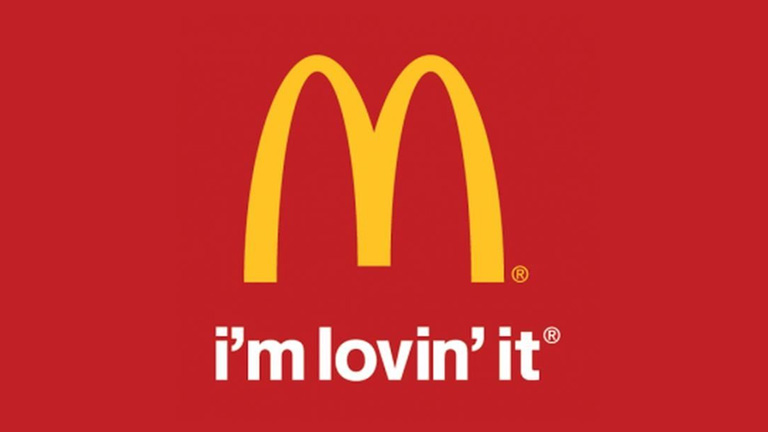
Take a look at the McDonalds logo.

McDonalds logo

It has red and yellow as its primary colors. These colors evoke feelings of passion and raw energy of young people and also portrays a feeling of socialization. This is exactly the message of this fast food giant as its target is young customers.

4. Displays Professionalism

Displays Professionalism

It’s difficult for companies to create an environment of competitiveness and professionalism amongst their employees, especially in startups and small companies. Graphic design makes a lasting impression on your clients and vendors. For example, a strategically designed and visually stunning logo design speaks volumes about its company’s ways of doing business. It gives an impression that the company is highly professional and is very serious about what they do. That can really be helpful in striking long-term client relationships which means steady growth of the company.

5. Enhanced Readability of Your Content

readability

A good graphic designer can even enhance the readability of the content that you generate to grab the attention of your audience. There are a lot of ways to do so like picking appropriate typefaces, colors, images, etc. The average reading time on the web is very low and most of your audience will simply scan your content rather than actually read it. If the designer is able to highlight your most important content through graphics, chances are more that your content will be read.

If you also want to amplify your brand image by using graphic designs than speak to one of our design experts NOW!